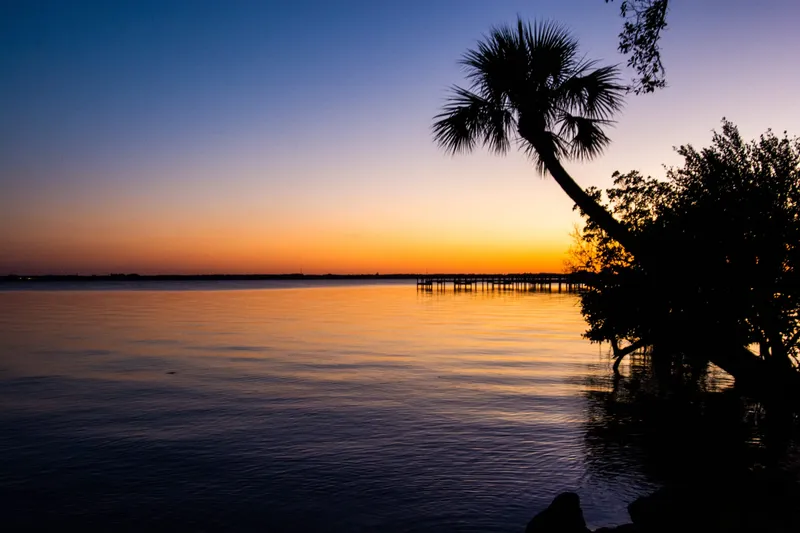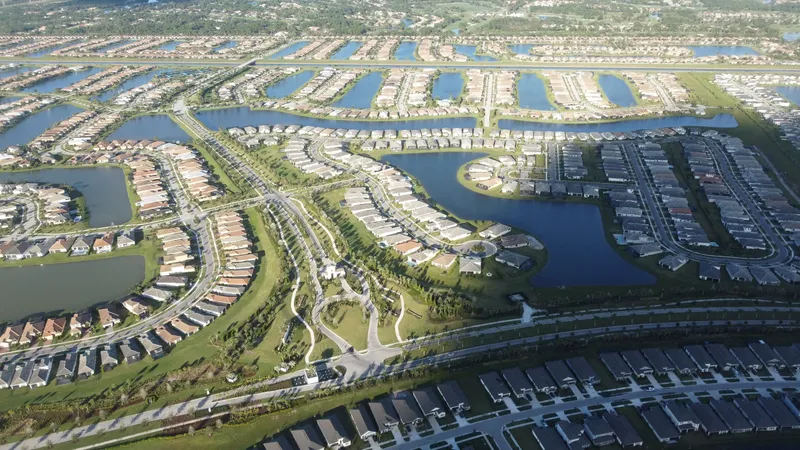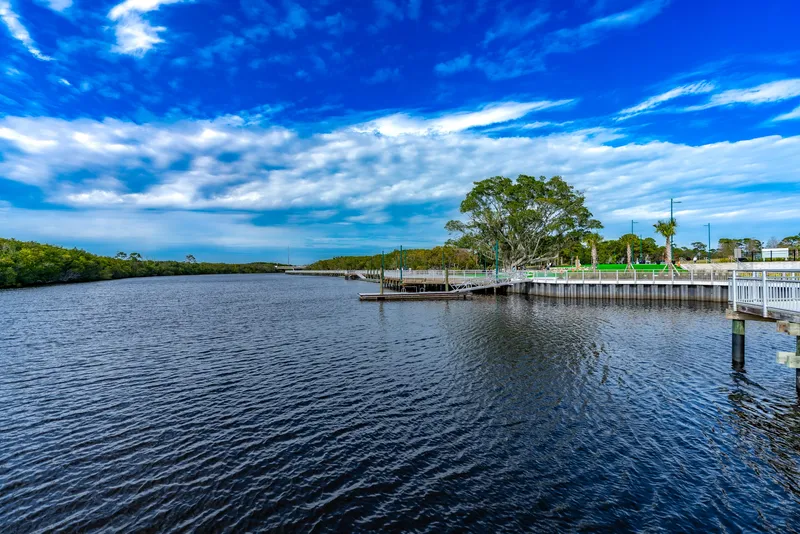
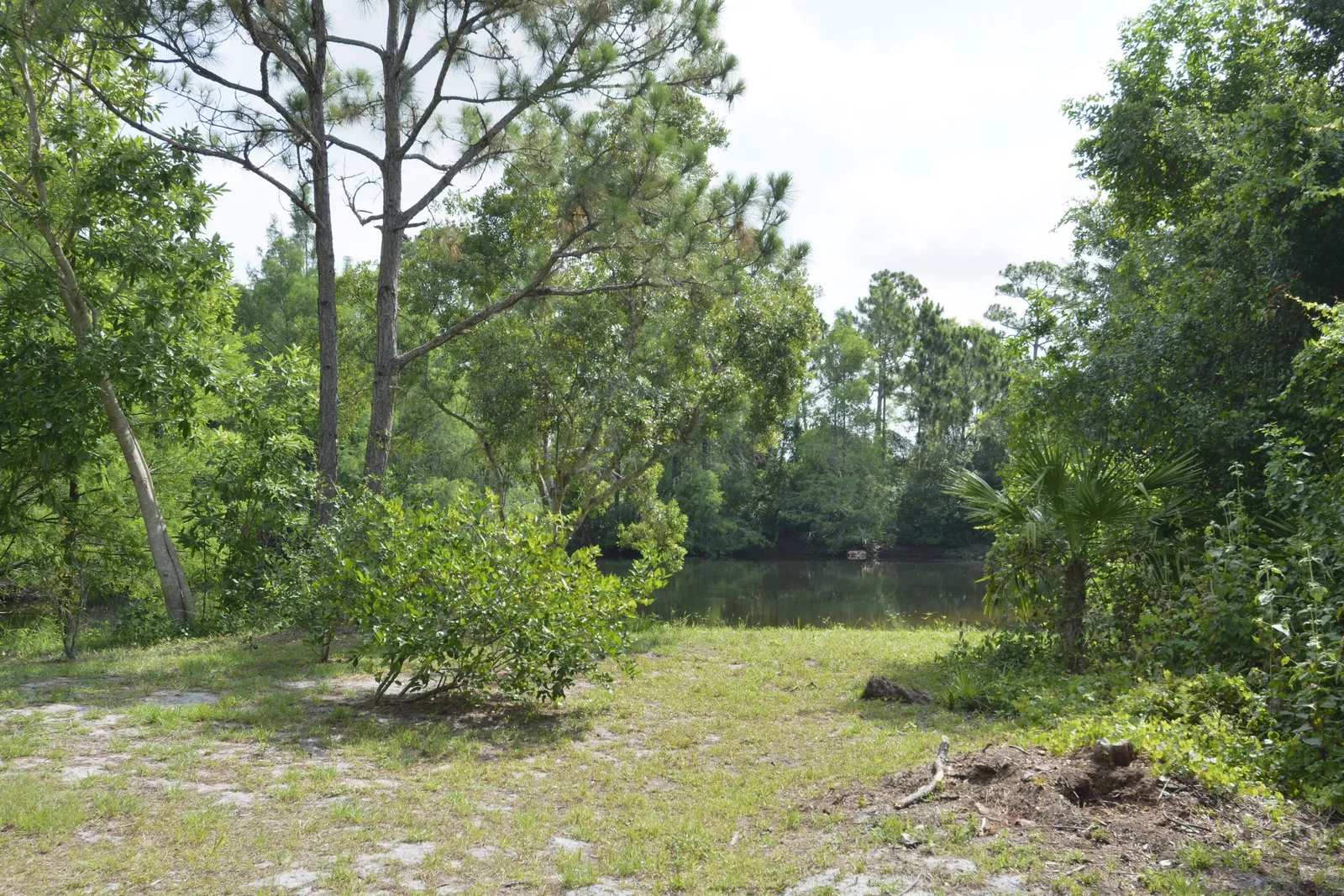
Long before master-planned communities and bustling boulevards, the land we now call Port St. Lucie was shaped entirely by water, wildlife, and the people who lived closely with both. Its story stretches back thousands of years — well before maps, city limits, or written history — making it one of Florida's quietly richest historical landscapes.
Before Europeans Arrived: The Era of the Ais
Long before Spanish explorers ever set foot on Florida's Atlantic coast, the area around today's Port St. Lucie was home to the Ais, a Native Florida tribe who lived along the waterways, lagoons, and rivers of the Treasure Coast. They fished, gathered shellfish, hunted, and built an entire way of life around the water.
The St. Lucie River was central to that life — a source of food, transportation, and spiritual meaning. Shell middens and artifacts found throughout the region offer a glimpse into a culture that thrived here for centuries before any European ever arrived.
The Spanish and the "Fort of Ill Fortune"
Spanish explorers arrived in Florida in the early 1500s, charting the coastline and naming rivers and landmarks as they went. The name "St. Lucie" traces back to a 16th-century disaster: in 1565, Pedro Menéndez de Avilés — the founder of St. Augustine — established a small garrison in the region on December 13th, the feast day of Santa Lucia. The exact location of that original fort is still debated, likely near the Jupiter Inlet or just north of it, but the name eventually migrated up the coast to the river and the county we know today.
YOUR BUSINESS COULD BE HERE · ADVERTISE WITH HEARTS & HOMES ↗The settlement itself was a disaster. The Ais were hostile to the newcomers, and the soldiers faced starvation and mutiny in roughly equal measure. The garrison was abandoned within a year, and Spain largely ceded the area back to the Ais for the next two centuries.
Then, in 1715, a Spanish treasure fleet loaded with a king's ransom in silver and gold was wrecked by a hurricane just off the coast — the event that gave the region its enduring nickname: the Treasure Coast.
Despite Spain's broader footprint across Florida, the Port St. Lucie area itself stayed largely untouched. Swamps, dense vegetation, mosquitoes, and limited access made permanent settlement nearly impossible. The land stayed wild, and the river kept shaping life along its banks much as it always had.
Pioneer Days and Frontier Life
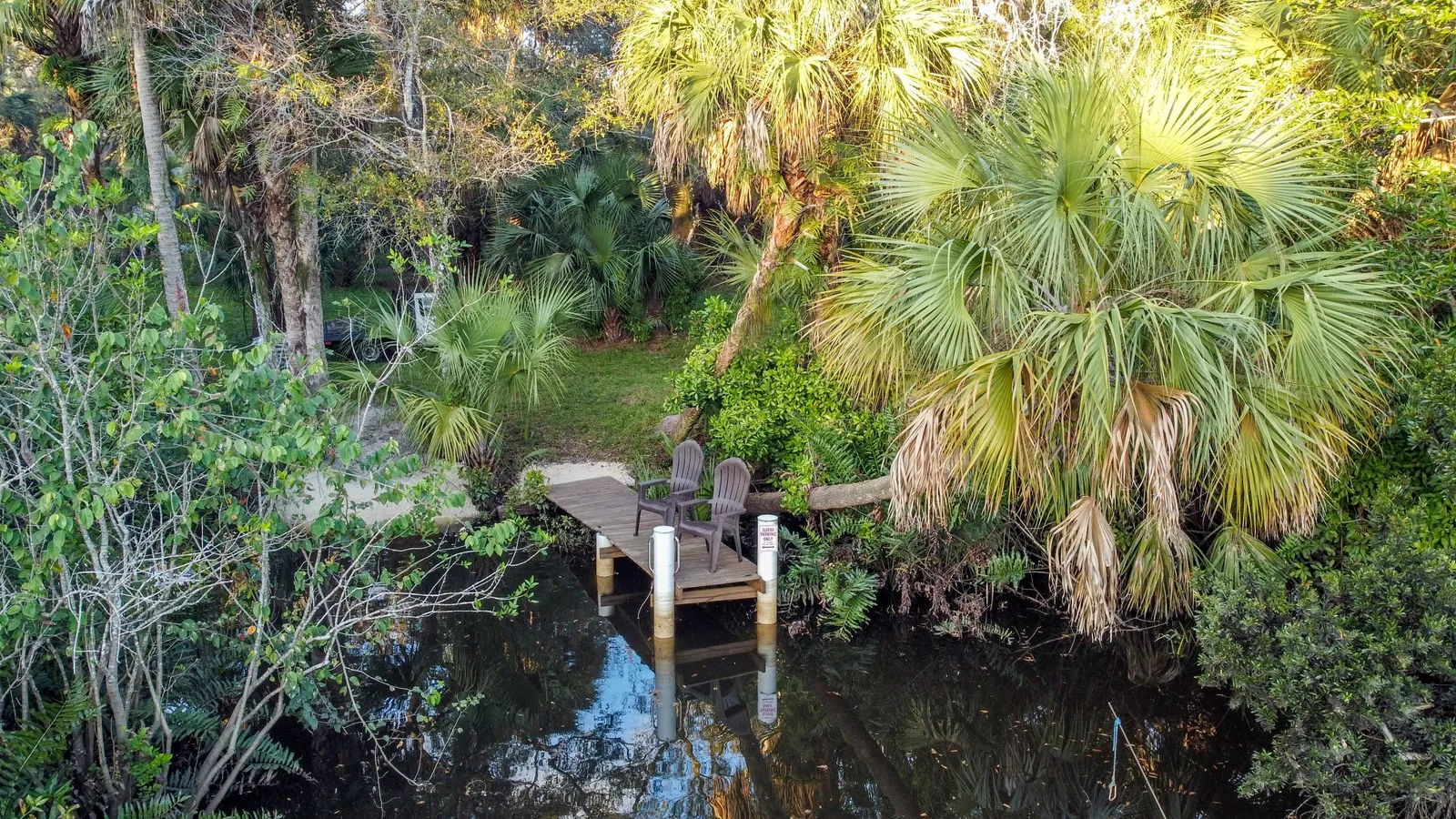
In the late 1800s and early 1900s, small groups of settlers began moving in — farmers, trappers, fishermen, and homesteaders chasing fertile land and opportunity. Life was rugged and isolated. There was no electricity, transportation was slow, and the river remained the only reliable route for travel and trade.
One of the most notorious chapters from this era still gets told today: the Ashley Gang, a band of outlaws who used the St. Lucie River and the surrounding wilderness as hideouts in the early 20th century, adding a permanent streak of frontier mystery to local lore.
The "Instant City"
For decades, Port St. Lucie stayed quiet and rural. That changed in the 1950s, when developers began to see the potential in all that open, coastal land.
The Port St. Lucie we know today started with a developer's map and a marketing campaign. In 1958, the General Development Corporation, led by the Mackle brothers, purchased 40,000 acres of ranch land along the Treasure Coast. Just three years later, in 1961, Port St. Lucie was officially incorporated as a city.
From the 1990s onward, it transformed again — shedding its reputation as a retiree "bedroom community" and growing into a thriving city in its own right. Major developments like St. Lucie West and Tradition brought in shopping, jobs, and the spring training home of the New York Mets.
Growth Into the City We Know Today
From those modest beginnings, Port St. Lucie grew steadily rather than explosively. Schools, parks, medical centers, and neighborhoods expanded alongside the population, decade after decade, earning the city a reputation as family-friendly, affordable, and community-focused — a quieter alternative to South Florida's bigger metros.
Today, it's one of Florida's fastest-growing cities, yet it still carries clear echoes of its past. The St. Lucie River remains a defining feature, nature preserves protect pockets of untouched land, and a strong sense of community pride ties residents to a shared history most of them are still discovering.
A City Rooted in Past and Possibility
What makes Port St. Lucie unique isn't just how far it's come — it's how thoughtfully it keeps growing. From ancient Indigenous communities to pioneer settlers, from outlaw legend to modern neighborhood, the city's story is one of resilience and transformation.
Understanding where Port St. Lucie came from makes it easier to appreciate what it is today: a city shaped by water, history, and the people who keep choosing to call it home.
Keep exploring
Discover more community features and related articles in Living Here.