Port St. Lucie is often called one of Florida's best-kept secrets — spacious neighborhoods, thoughtful design, and a lifestyle that balances comfort, growth, and opportunity. What most people don't realize is that none of it happened by accident. Port St. Lucie was deliberately envisioned, carefully planned, and strategically developed into the city it is today.
A City Designed With Purpose
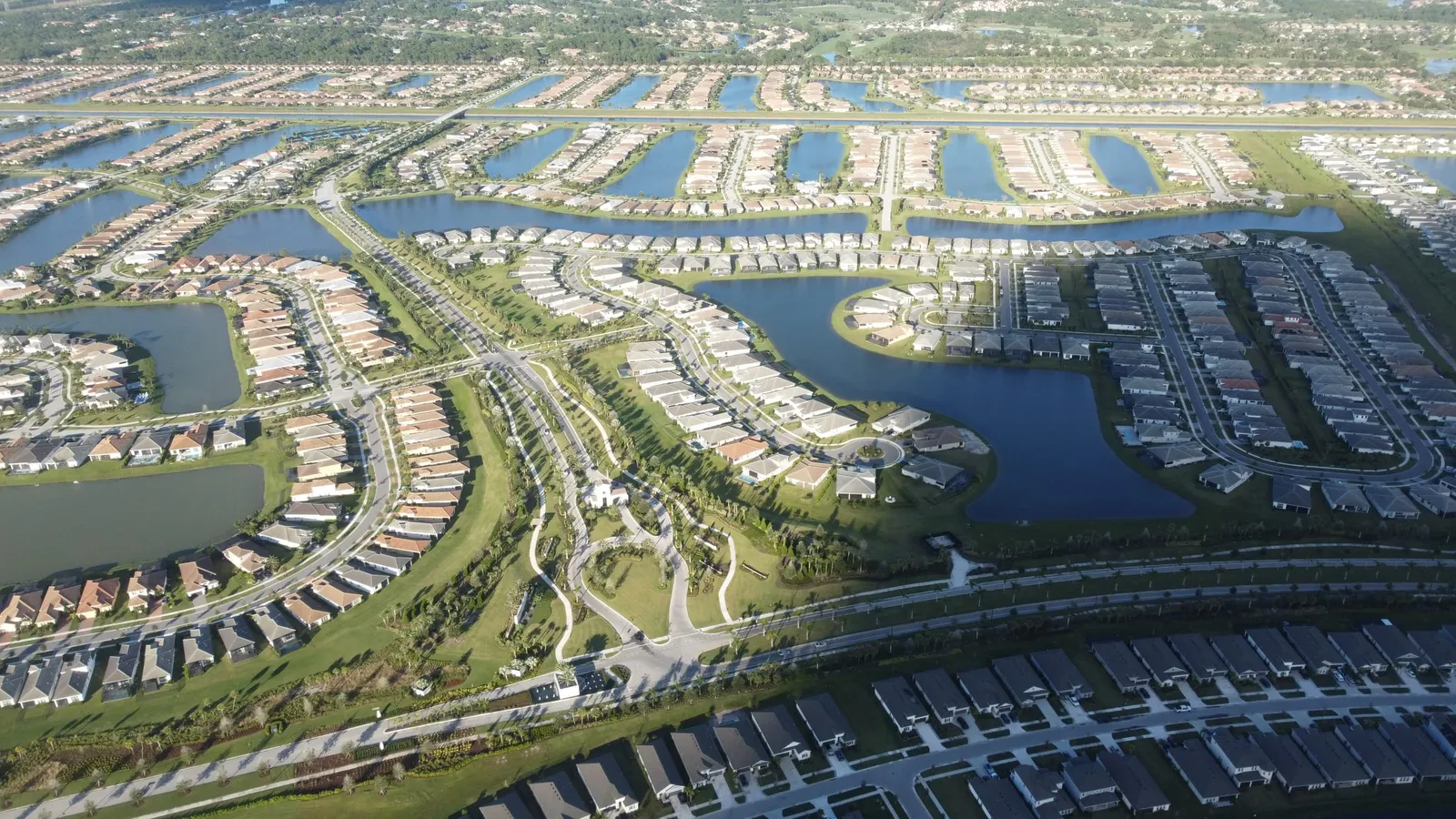
Port St. Lucie was founded in 1961 by the General Development Corporation, one of the most influential real estate developers in Florida's modern history. Rather than growing organically over decades, the city was master-planned from day one across thousands of acres of open land along the Treasure Coast.
GDC's vision was forward-thinking for its time: build a city where families could put down roots, professionals could grow, and property values could appreciate steadily over the long run. Wide roads, clearly defined residential zones, and generous green space weren't an accident — they were the plan, and they still define Port St. Lucie's appeal today.
A Lifestyle Marketed for the Future
From the very beginning, Port St. Lucie was sold as a place of opportunity. GDC marketed affordable land to buyers across the country, particularly those chasing a warmer climate, a slower pace of life, and long-term investment potential.
YOUR BUSINESS COULD BE HERE · ADVERTISE WITH HEARTS & HOMES ↗Many early buyers purchased their lots years before ever building on them, betting on a city designed to grow with intention rather than chaos. That patience paid off as infrastructure, schools, and amenities followed — turning raw, undeveloped acreage into a fully realized suburban community.
Incorporation and Momentum
Port St. Lucie was officially incorporated in 1961, marking its shift from blueprint to reality. Growth in those early years was measured and deliberate, which let the city hold onto its spacious feel even while laying the groundwork for everything that came after.
By the late 20th century, the city was pulling in families, retirees, and professionals who wanted more space without giving up access to jobs, healthcare, and recreation. Today, it stands as one of Florida's fastest-growing and most stable housing markets.
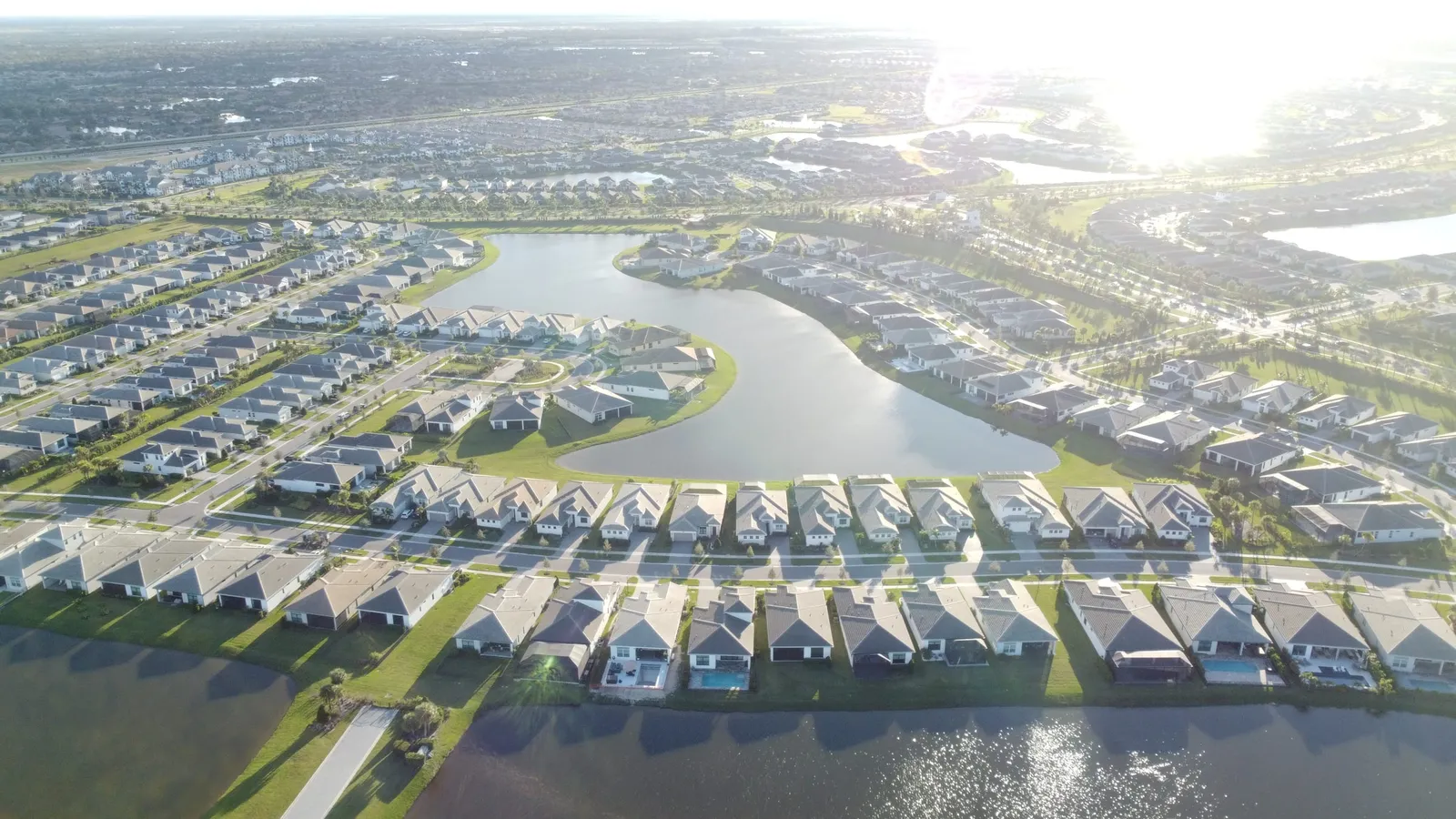
A Brief Timeline of Port St. Lucie's Growth
- Pre-1960s — Mostly ranchland, pine forest, and undeveloped acreage.
- 1961 — The General Development Corporation founds and incorporates Port St. Lucie.
- 1970s — Residential neighborhoods expand; early schools and civic services take shape.
- 1980s–1990s — Population growth accelerates; commercial centers and healthcare facilities follow.
- 2000s — Port St. Lucie emerges as a regional hub on the Treasure Coast.
- Today — One of Florida's most desirable cities for families, retirees, and real estate investors.
Fun Facts That Set Port St. Lucie Apart
- One of the largest cities by land area in Florida — a rare amount of breathing room for a city this size.
- Master-planned neighborhoods built around generous lot sizes and green space from the start.
- Consistently ranked a top city for families thanks to its schools, safety, and affordability.
- A long-standing reputation for steady real estate appreciation and new construction opportunity.
- Home to Clover Park, the spring training facility for Major League Baseball.
- Sitting right between the St. Lucie River and the Atlantic beaches — nature and convenience in equal measure.
Why the Founding Vision Still Matters
Everything that makes Port St. Lucie attractive today — its layout, its livability, its stability as an investment — traces straight back to its founding principles. Because the city was planned with room to grow, it keeps welcoming new residents without losing its sense of balance.
For families, that means space, safety, and a high quality of life. For luxury buyers, it means privacy, newer construction, and upscale neighborhoods. For investors, it means consistency and long-term value.
Port St. Lucie was never meant to be just another Florida town. It was built to last — and more than sixty years later, that founding vision is still delivering.
Keep exploring
Discover more community features and related articles in Living Here.