Port St. Lucie is known today for palm-lined boulevards, family-friendly neighborhoods, and waterfront living. But beneath that fresh-built appeal lies a history rooted in exploration, frontier grit, and early Floridian life. You won't find towering monuments or centuries-old castles here — what you'll find instead is a story of native resilience, early settlers, and a community shaped entirely by water and wind.
From ancient habitation sites to preserved landmarks, these are the places that explain where Port St. Lucie came from — and how it became the city it is today.
Oxbow Eco-Center & Preserve
5400 NE St. James Dr, Port St. Lucie, FL 34983
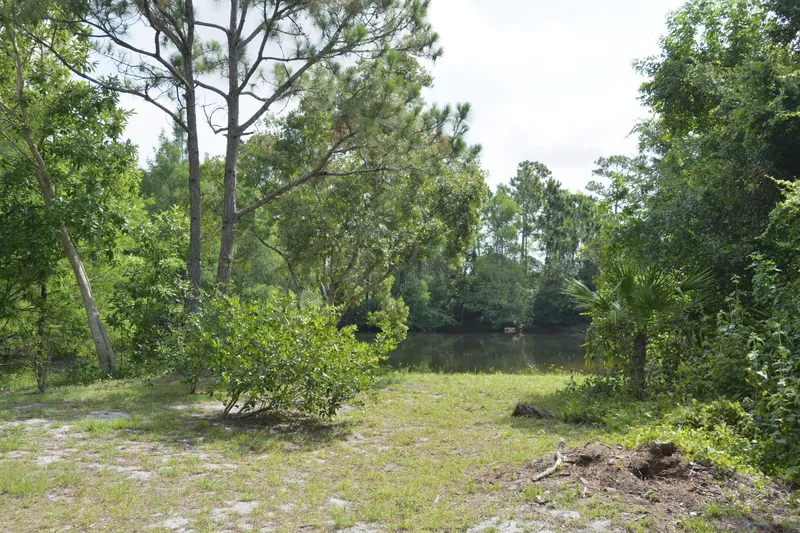
Long before it was a nature destination, Oxbow was a thoroughfare. Indigenous peoples — most notably the Ais — lived in and traveled through this land, relying on the St. Lucie River for food and transportation. The Eco-Center's focus today is ecology and wildlife, but its boardwalks and interpretive displays still connect visitors to those ancient roots.
YOUR BUSINESS COULD BE HERE · ADVERTISE WITH HEARTS & HOMES ↗A walk through Oxbow's trails isn't just a walk in nature — it's a walk through history, a chance to reflect on how this land sustained generations long before the first road was paved.
Spruce Bluff Preserve
Access via 401 SE St. Lucie Blvd, Port St. Lucie, FL 34983
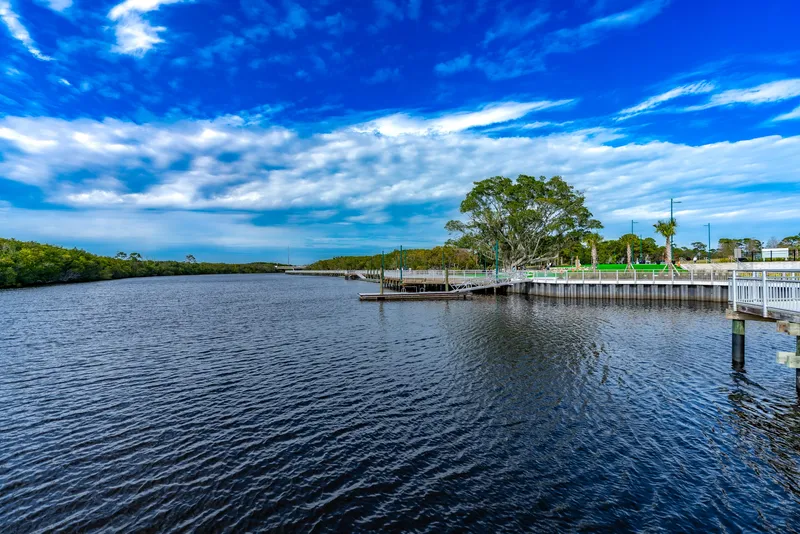
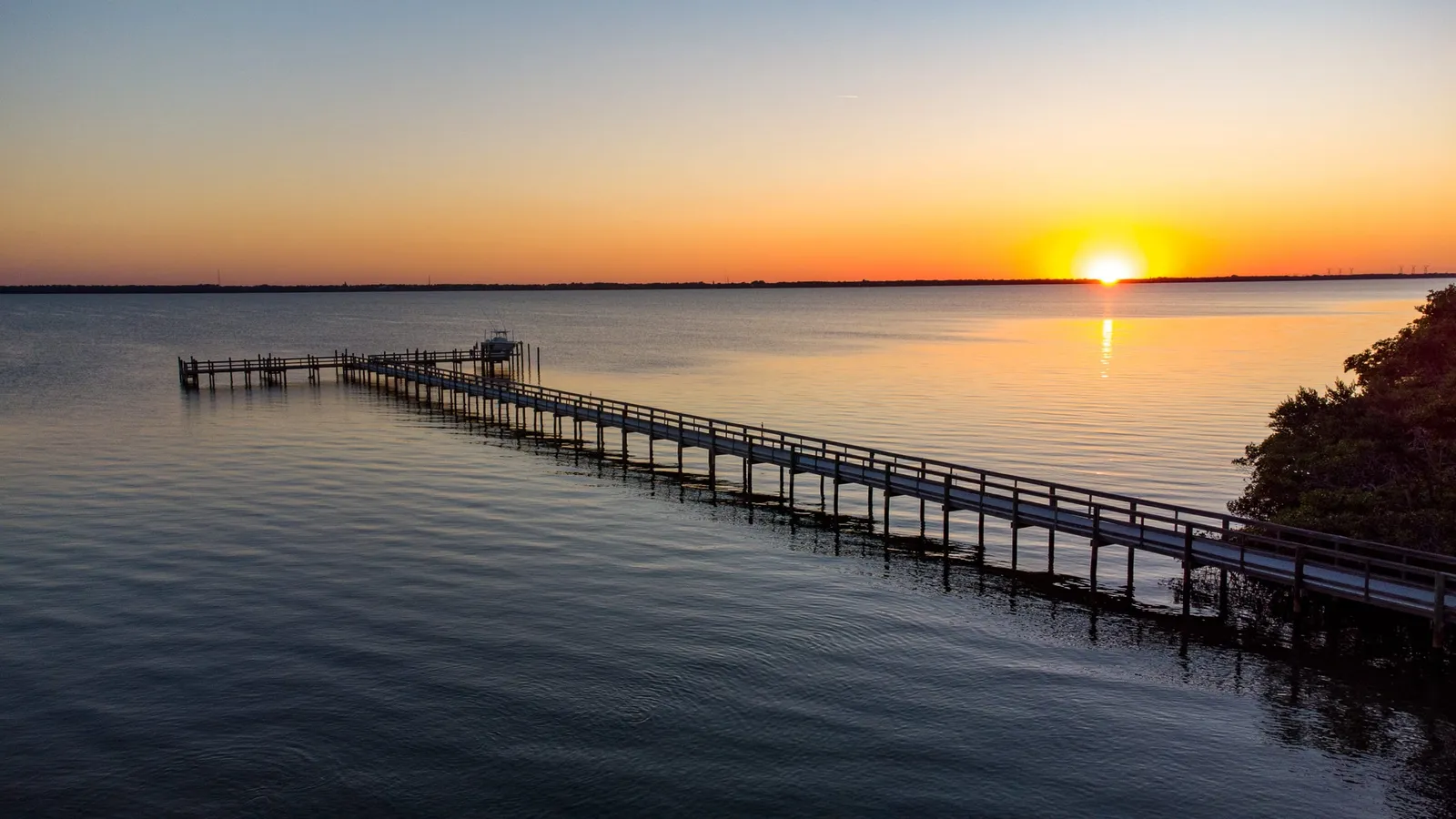
Spruce Bluff blends natural beauty with real historical weight. Tucked along a bend in the St. Lucie River, its boardwalks trace the same shoreline early settlers and travelers once navigated by river and estuary. The preserve's name and landscape are a direct nod to Florida's pioneer era, when life moved at the speed of the current.
Birdwatchers, history buffs, and families all return here — not just for the wildlife, but for the feeling of stepping back into a quieter, slower era of exploration.
Historic Riverside Locations
Much of the region's early settlement never left behind a standing building — but the St. Lucie River itself is the deepest link to the past still around today. Spanish explorers named it in the early 1500s, likely after sighting it on St. Lucy's feast day, and for centuries afterward it served as the highway for Indigenous peoples, settlers, and traders alike.
Today, the parks and boardwalks along its banks give visitors a place to consider how this single waterway shaped movement, trade, and daily life long before Port St. Lucie became a city at all.
Neighborhood Roots: Tradition and the River's Edge
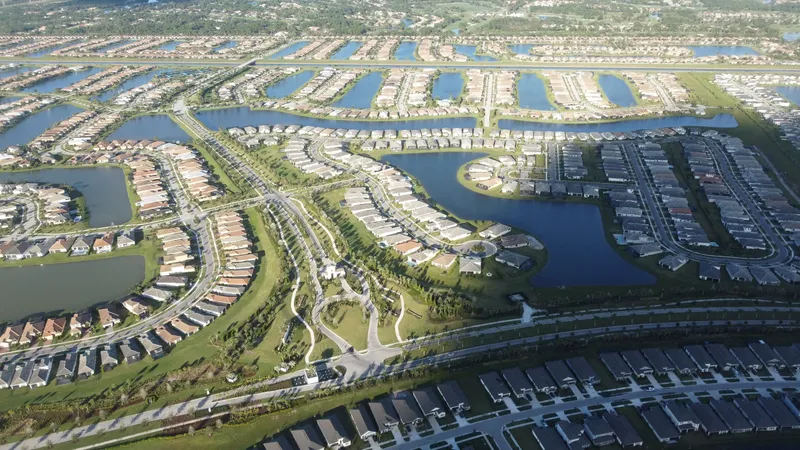
Port St. Lucie's historic heart isn't confined to plaques — it's woven into the neighborhoods built around old crossroads and river bends. Tradition celebrates a more recent heritage, blending nostalgia with new development, while the riverside enclaves remind residents that life here has always moved at the pace of tides and time.
Walk these areas and you'll notice the layering: pioneer traces sitting quietly beneath contemporary life. History here isn't only preserved in designated sites — it's built into how the city grew.
Remembering the Ais and Their Influence
Long before any map named these places, Indigenous peoples lived, traveled, and thrived along the Treasure Coast. The most prominent among them, the Ais, were known both to early Spanish explorers and to the generations of settlers who followed.
No physical structures remain, but their legacy hasn't disappeared. It lives on in archaeological finds, river pathways, shell mounds, and the kind of ecological knowledge that gets passed down rather than written down — proof that history here is carried by the land and water as much as by any record.
Where Tradition Meets Today
Port St. Lucie is a comparatively young city — officially incorporated in 1961 — but its story stretches back thousands of years before that date. Its historic places rarely come with grand plaques or sprawling estates. Instead, they're found in nature preserves, along riverbanks, and on the paths people still walk every day.
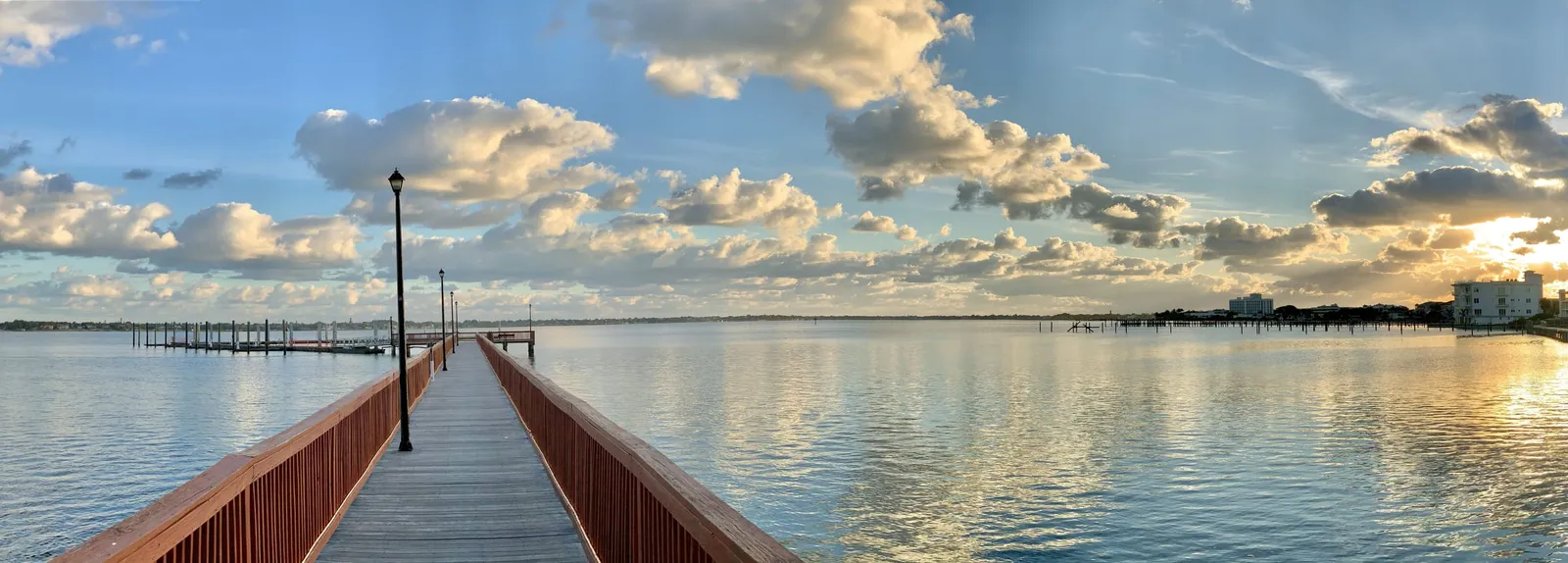
Exploring them is a chance to appreciate the city's full journey, from the river trails of its earliest inhabitants to the modern boardwalks where families now stroll at sunset. In Port St. Lucie, history isn't hidden — it's simply part of the land, the water, and the rhythm of daily life.
Local Tips for Exploring History
- Go early. Mornings are best for quiet reflection at the preserves.
- Bring binoculars. The historic river sites double as some of the best birdwatching spots around.
- Pair it with recreation. Trails, boardwalks, and parks turn history into something active.
- Ask a local. Stories passed down through generations often reveal the hidden gems no plaque will ever mention.
Keep exploring
Discover more community features and related articles in Living Here.