
In real estate, access to accurate and organized property information is essential. One of the most important tools agents rely on every day is the Multiple Listing Service, commonly known as the MLS.
The MLS is where agents list homes for sale, search for properties on behalf of buyers, schedule showings, and track important transaction details. For buyers and sellers, this system plays a major role in ensuring homes are marketed properly and that agents have the information they need to guide clients through the process.
Here's a behind-the-scenes look at how real estate professionals use the MLS to manage listings, organize showings, and create a smoother experience for everyone involved.
Entering and Closing a Listing in the MLS
Once a home is ready for sale, agents enter the property into the MLS with detailed information that helps other agents and potential buyers understand the property. But the MLS process doesn't end when the home sells. After a successful closing, agents must complete several steps to properly finalize the listing, including:
- Updating the listing status from pending to closed
- Entering the sold date and final sale price
- Recording financing type and any concessions
- Adding cooperating agent information
- Confirming commission figures
Agents also store key documents related to the sale, including the Closing Disclosure and the purchase agreement, to ensure the transaction record is complete.
Administrative and Client Follow-Up
Closing a listing also involves administrative and client-care tasks. Agents typically coordinate the removal of yard signs and lockboxes, often working with the buyer's agent or a sign contractor.
In the team's CRM system, the seller's contact status is updated from an active client to a past client. Property searches and automated alerts are usually removed since the transaction has already closed.
Many agents also take time to celebrate the sale and thank their clients by sending a personalized closing card, mailing a small gift or gift card, and creating a "Just Sold" social media post. Tools like Canva are often used to create professional graphics announcing the sale online.
Adding Important Property Details
Accurate listing details are critical in the MLS because other agents rely on this information when advising their buyers. One best practice is documenting the age of major home components such as the roof, the air conditioning system, and the water heater. Agents may check local permit records to verify when certain upgrades were completed. Even if exact dates aren't immediately available, agents can include estimated years and update the information later if needed.
These details are typically entered in property fields or agent-only remarks, where they provide helpful insights to other professionals reviewing the listing.
Including HOA Information and Documents
For homes located in a homeowners association, providing HOA information in the MLS can save time and reduce questions from buyer agents. Helpful details to include are HOA contact information, monthly or annual fees, community rules and applications, and association documents such as budgets or guidelines.
Agents often upload HOA documents directly into the listing so other agents can access them easily. Uploading these materials early in the process helps buyers understand the community requirements before submitting an offer. Flood disclosures may also be included when applicable, ensuring transparency and helping agents answer questions quickly.

Organizing Listing Photos for Maximum Impact
Photos are one of the most important parts of any MLS listing. The order and selection of images can significantly influence how buyers perceive a home online. Most agents follow a simple strategy when arranging listing photos.
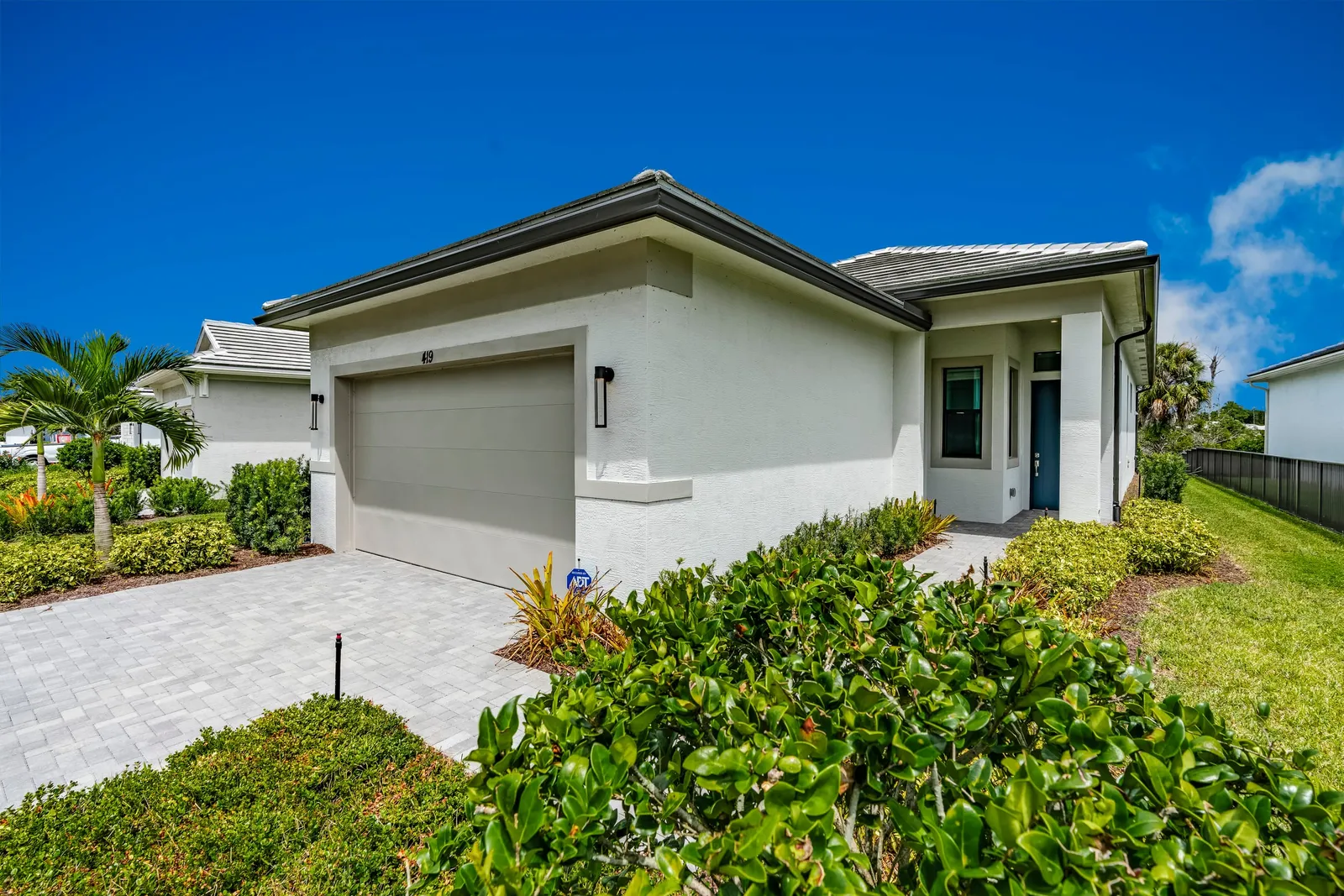
Start with a strong exterior. The main photo should almost always be a clear front exterior shot of the home. This image creates the first impression and often determines whether buyers click on the listing. Additional exterior angles can follow, but it's best to avoid too many similar photos unless the property has unique outdoor features.
Highlight key features early. The first several images should showcase the home's biggest selling points, such as pool areas, water views, open living spaces, and updated kitchens. These photos help grab attention quickly as buyers scroll through listings.
Tell the story of the home. After the main features, photos should follow the natural flow of the house: entryway or front door, living room, dining area, kitchen, family or breakfast room, bedrooms, primary suite, bathrooms. Less critical spaces, like laundry rooms or garages, usually appear later in the sequence unless they have standout features. The goal is to avoid duplicates and guide viewers through the home logically, almost as if they are walking through it in person.
Creating Buyer Searches in the MLS
The MLS isn't just for listings. It's also one of the most powerful tools agents use when helping buyers find homes. Many agents use platforms like FlexMLS to create customized property searches for their clients, starting by adding the buyer as a contact in the MLS portal and then building search criteria based on the client's needs.
Typical search filters include price range, number of bedrooms and bathrooms, property type, HOA or non-HOA communities, and pool or waterfront features. Agents can also draw custom map areas using polygon tools to include or exclude certain neighborhoods based on a buyer's commute or lifestyle preferences.
Sometimes agents create multiple searches for one buyer, for example, separate searches for single-family homes, vacant land, or homes with pools. Because MLS data depends on what listing agents enter, some features may not always appear correctly in search filters. In those cases, agents often review photos manually to confirm certain details.
Organizing Buyer Showings
Once a buyer selects homes they want to see, the agent begins organizing the showing schedule. Many agents compile the selected properties from the MLS and prepare printed reports for each home, which include both public and agent remarks. These reports help buyers review property details while touring homes. The agent then maps out a logical driving route to minimize travel time between properties.
Scheduling showings. Showings are typically scheduled using tools like ShowingTime. Appointments are usually arranged in 15-minute slots for homes close together and 30-minute slots for properties farther apart. Agents also check MLS showing instructions for details such as lockbox locations, occupancy status, pet warnings, and access instructions. Keeping organized notes about each property helps agents track buyer feedback and refine future searches.
Troubleshooting showing schedules. Occasionally, a showing cannot be scheduled through the platform because the listing agent hasn't enabled online scheduling. When this happens, the buyer's agent may contact the listing agent directly to request access or a temporary lockbox pass. Keeping records or screenshots of scheduling attempts helps confirm that the showing request was made. Communication between agents ensures that buyers can still tour the property while the system setup is resolved.
Why the MLS Matters in Port St. Lucie Real Estate
The MLS plays a vital role in the Port St. Lucie housing market by allowing agents to share accurate property information, coordinate showings, and track transactions from start to finish. For buyers and sellers, this means greater visibility for listings, faster access to available homes, and better organization throughout the transaction.
Most importantly, the MLS allows real estate professionals to guide clients confidently through every step of the buying or selling journey. At Hearts & Homes, tools like the MLS help ensure every client receives the knowledge, organization, and attention needed to make their real estate experience as smooth as possible.
Keep exploring
Discover more community features and related articles in Real Estate.